
Greece tours make it simple to see the best of the country without stress. Couples, families, friends, solo travelers and first-time visitors all get the same gift. Someone else handles the roads, the boats and the timing. Travelers get more hours at the ruins, the beaches and the long, slow lunches by the sea.
This guide from My Greece Tours walks through the main parts of the country. It covers Crete and nearby islands, the Cyclades, Athens and the mainland. Each part shows what to see, which kinds of tours run there and what comes with them. Practical tips for every traveler close each section.
How Can You Get More From Greece Tours In Crete And Beyond?
Travelers get more from Greece tours in Crete and beyond by mixing famous ruins with boat days and local food. Booking the most popular trips early also helps. For fresh ideas, travelers can browse Greece tours and Tours In Greece before they book. A little planning turns each island day into a highlight.
What are the highlights of Crete and beyond?
The palace of Knossos on Crete is the place to start. It was built by the Minoans, an early people who ruled the island long before classical Athens. Guides tell the myth of King Minos and the Minotaur among red columns and painted walls. Chania old harbour glows at sunset beside an old lighthouse.
The lagoons of Balos and Elafonisi in western Crete look unreal. Their shallow water glows pale blue, and Elafonisi has soft pink sand. The Old Town of Rhodes sits inside thick walls that knights built in the Middle Ages. Its stone lanes and the Palace of the Grand Master feel like a film set.
Lindos, also on Rhodes, has white houses below a hilltop acropolis, which means high city. In the Ionian Sea, Corfu old town blends old forts, shady arcades and the sound of church bells. On Zakynthos, Navagio is the famous shipwreck beach, where a rusty wreck sits on bright white sand below tall cliffs.
What Greece tours can you join in Crete and beyond?
Private tours with a driver-guide or a skipper suit couples, families and friends who want their own pace. One price covers the whole party, so the cost per person drops when more people share the car or boat. These tours work well for reaching Balos, Elafonisi or quiet bays on Rhodes.
Boat cruises with swim stops are the classic choice around Crete, Corfu and Zakynthos. Solo travelers enjoy them because it is easy to chat with others on deck. Families like the shade on deck and the calm coves where children can paddle.
Visitors who land in Athens first can join full-day trips from Athens by coach before heading to the islands. Food lovers should book cooking classes and wine tastings in Cretan villages, where hosts share family recipes. These relaxed Greece tours suit first-time visitors and older travelers alike.
What support do Greece tours in Crete and beyond give travelers?
Many Greece tours in Crete and beyond include lunch or a BBQ meal. On boat days, the crew often grills fresh food while guests swim. Drinks come too, and some cruises make them unlimited. That matters in the heat, since nobody has to hunt for water or a café at sea.
A licensed or local guide turns stones into stories. At Knossos or in Rhodes Old Town, that guide explains who built what and why it still matters. Good tours also leave free time to explore, so travelers can shop, swim or sit by the harbour on their own.
Wine tastings add a gentle break between sights, with local hosts pouring island wines, and swim stops do the same at sea. Together, these extras make a long day feel easy rather than rushed, even for younger children.
What tips help travelers in Crete and beyond?
Timing matters, so start early at Knossos and Lindos, when the air is cool and the paths are quiet. Book trips to Balos, Elafonisi and Navagio well ahead in summer, since they fill fast. Check the weather the night before, because wind can change sea plans.
For comfort, wear light clothes and sandals that grip wet rocks. Lindos has a steep climb, so good shoes help there too. Pack a hat, sunscreen, a towel, a refillable water bottle and a light layer for breezy boat decks. A small dry bag keeps phones and cameras safe from splashes.
How Do Visitors Enjoy Greece Tours In The Cyclades?
Visitors enjoy Greece tours in the Cyclades by mixing village walks, ancient sites and days at sea. Each island has its own mood, so island hopping rewards curious travelers. Booking boat trips early keeps the best options open in high summer. Ferries link the islands, so travelers can see several in one trip.
What are the highlights of the Cyclades?
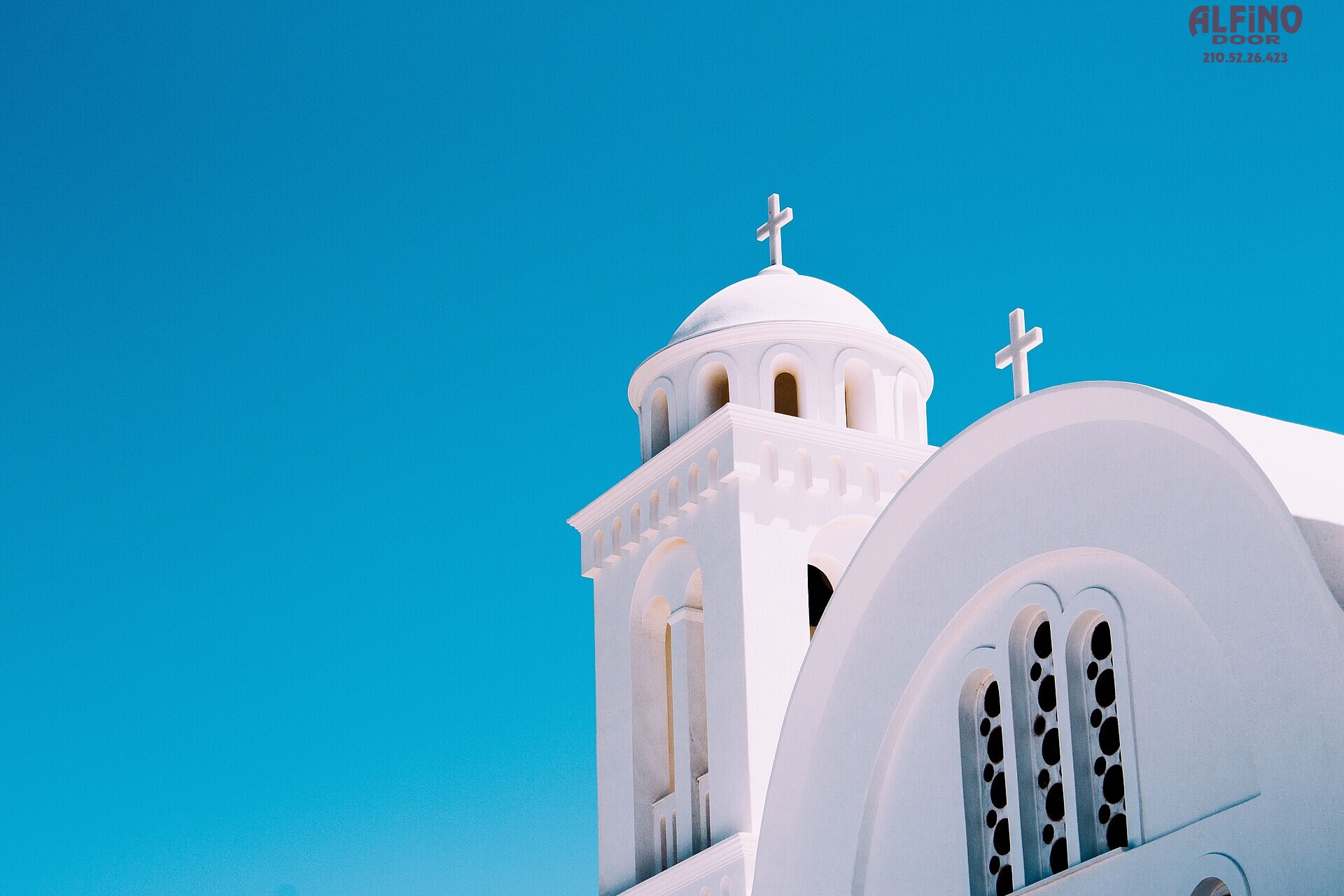
Santorini is famous for its cliff villages. Oia and Fira sit on the rim of a caldera, the giant bowl left after a volcano blew apart. White houses and blue domes sit above deep blue water, and steps wind down to the old port. Sunset draws crowds, while mornings feel calm and golden.
On Mykonos, the windmills stand in a row on a low hill above Little Venice. They once ground grain for bread, and now they frame sunset photos. A short boat ride away lies Delos, an island sanctuary, which means a holy place. Myth says the gods Apollo and Artemis were born there.
Milos is famous for its sea caves at Kleftiko, where pirates once hid. The pale cliffs glow above clear turquoise water. On Naxos, the old town climbs through shady lanes to a hilltop castle built by rulers from Venice. Paros adds the harbour of Naoussa, with bright fishing boats and seafood tavernas by the water.
What Greece tours can you join in the Cyclades?
Private tours with a driver-guide or skipper suit couples and families who want a calm day. One price covers the whole party, which makes a private boat around Milos or Santorini good value for friends. Shared tours with only a handful of guests suit solo travelers who like company without crowds.
Boat cruises with swim stops are the heart of island life here. Snorkel and beginner scuba trips open up the underwater world, even for first-timers, with calm coaching from instructors. Teens and active friends often love these Greece tours most.
On Santorini, cooking classes and wine tastings show how farmers grow grapes in volcanic soil. Children enjoy the cooking classes, since they can help and taste. Visitors who start in Athens can also join full-day trips from Athens by coach before catching a ferry to the islands.
What support do Greece tours in the Cyclades give travelers?
Boat days in the Cyclades often include lunch or a BBQ meal served on deck or at a quiet beach. Many Greece tours here add drinks as well, and some cruises keep them unlimited. That saves effort, since remote coves have no shops or cafés.
Snorkel gear comes on board, so travelers do not need to pack masks or fins. Crews check that each set fits and show beginners how to breathe through the tube. Swim stops then become the best part of the day, with clear water over rocks and sand.
Wine tastings on Santorini offer a cooler, slower part of the trip. Hosts explain the grapes, the soil and how each glass should taste. Many visitors pair the tasting with sunset views over the caldera, a gentle way to end a sunny day.
What tips help travelers in the Cyclades?
The Cyclades get a strong summer wind called the meltemi. It can cancel or reroute boat trips, so keep a spare day in the plan. Book Santorini sunset trips and Delos visits early, and reach Oia well before dusk to find a good spot. Morning boats reach the sea caves before the crowds.
Bring reef-safe sunscreen, a hat, sunglasses and a light jacket for windy decks. Seasickness tablets help sensitive stomachs, and flat shoes make Santorini steps and Naxos lanes easier. A small backpack holds a towel, water and a spare shirt for later. Cash helps on small islands where some kiosks do not take cards.
How Should You Plan Greece Tours In The Capital?
Plan Greece tours in the capital around the Acropolis first, then add museums, old streets and a coastal trip. Morning starts beat the heat and the longest lines. Athens rewards travelers who mix guided time with slow wandering. The city also makes a great base for day trips.
What are the highlights of the capital?
The Acropolis hill rises above Athens like a stone crown. Its name means high city, and the Parthenon on top honored the goddess Athena. On the south slope sits the Theatre of Dionysus, where Greek plays were first staged. Below it, the Acropolis Museum shows the original statues in bright, cool halls.
A short walk away, the Roman Agora was a market square from the days when Rome ruled Greece. Beside it stands the Tower of the Winds, an old weather station with carved wind gods on each side. Hadrian’s Arch, named after a Roman emperor, marks the edge of the old and new city.
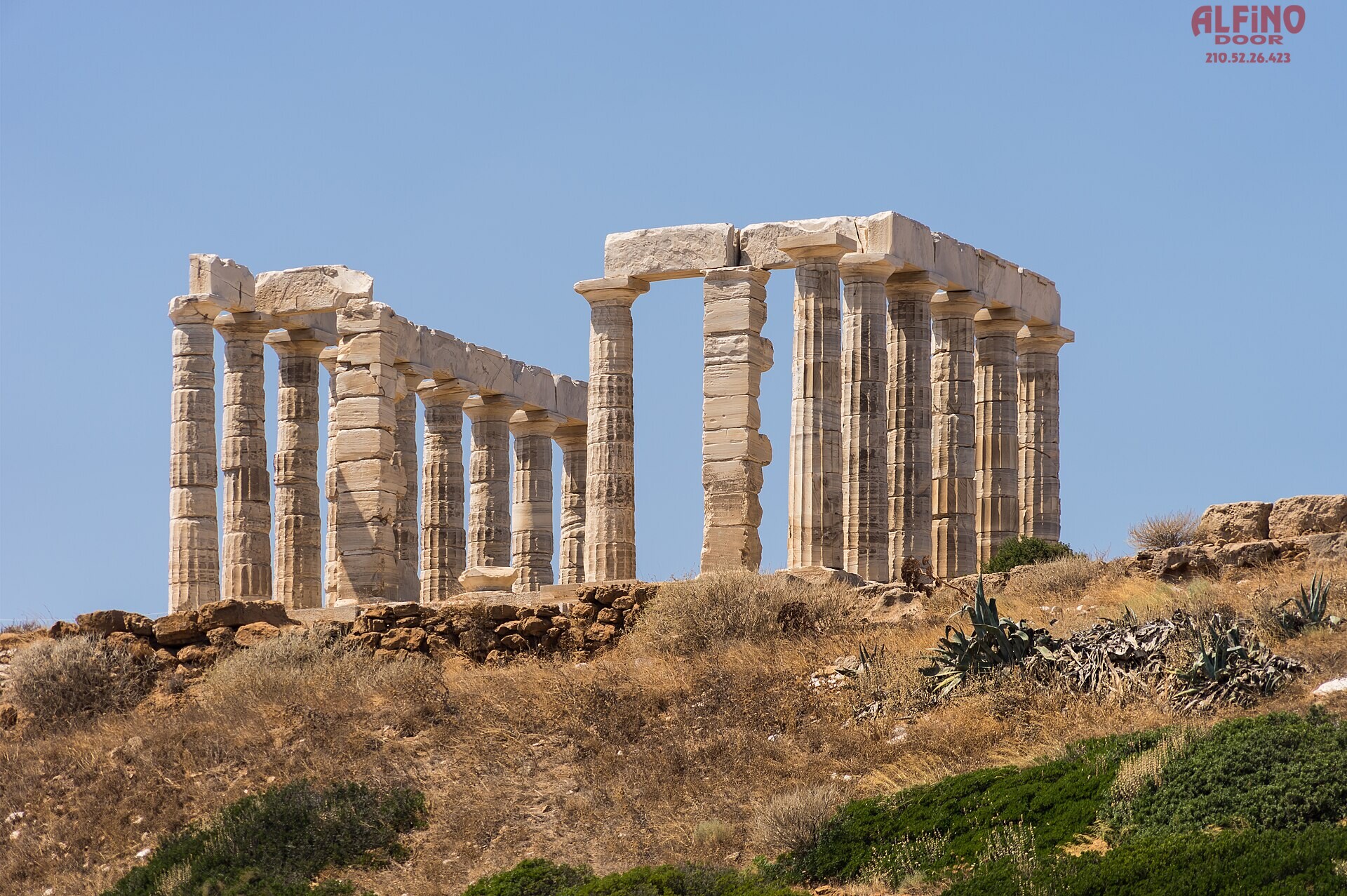
The National Garden offers shade, ponds and quiet paths right next to Parliament. At night, the old quarter of Psyrri fills with street art, music and busy tavernas. For sunset, many travelers ride along the coast road to Cape Sounion. There, the Temple of Poseidon, the sea god, stands on a cliff above the water.
What Greece tours can you join in the capital?
Guided walking tours are the easiest way to see the Acropolis and the old streets below it. They suit first-time visitors, solo travelers and anyone who loves a good story. Guides set a comfortable pace and stop regularly in the shade. Many Greece tours of this kind end near the museum.
Private tours with a driver-guide suit families with young children or older travelers who prefer less walking. One price covers the whole party, and the car waits nearby. The same idea works at sea, where a private skipper sails friends along the Athens coast.
Boat cruises with swim stops leave from the coast near the city, which makes a cool break from the ruins. Cooking classes and wine tastings round out the mix, and couples and friends often book them for a relaxed, tasty evening.
What support do Greece tours in the capital give travelers?
A licensed or local guide is the key amenity in Athens. Licensed guides are trained to lead tours inside the main sites, and they explain the history in plain words. That turns broken columns into real lives, gods and battles. Good guides also share stories that books leave out.
Many Greece tours in the capital include lunch, often at a family taverna in Plaka or Psyrri. Coastal boat days often serve a BBQ meal on board. Drinks come with most cruises, and some keep them unlimited, which helps on hot afternoons.
Swim stops along the Athens coast let travelers cool off between sights. Evening wine tastings close the day, with hosts who explain Greek grapes in friendly, simple words. These extras keep energy high on a busy city break, and children love the swim breaks most.
What tips help travelers in the capital?
Visit the Acropolis at opening time or late in the day, when the light is softer and the crowds thinner. Midday heat in summer is strong, so save the museum for those hours. Book timed tickets early in peak season. For money-saving ideas, read these budget travel tips for Athens before the trip.
Wear shoes with good grip, because the marble paths on the Acropolis are smooth and slippery. Bring water, a hat and sunscreen, as shade is rare on the hill. Large bags are not allowed inside some sites, so pack light. A light scarf helps with sun on the neck and shoulders.
Which Greece Tours In The Mainland Suit Every Traveler?
The best Greece tours in the mainland for every traveler are full-day coach trips, multi-day tours and simple entry tickets. Each suits a different pace and budget. Many of the oldest and most famous sites in Greece are found here. Good planning turns long drives into easy days.
What are the highlights of the mainland?
Delphi sits on a mountain slope that ancient Greeks called the center of the world. People came to the Temple of Apollo to ask the oracle, a priestess who gave messages from the god. Farther north, the Meteora monasteries perch on top of huge rock towers, where monks still live and pray.
In the Peloponnese, the southern part of the mainland, Mycenae was the city of King Agamemnon in old legends. Visitors enter through the Lion Gate and its carved lions, past huge walls that look built by giants. The theatre of Epidaurus has sound so clear that a stage whisper reaches the top seats.
Nafplio charms with pastel streets and seaside cafés below the Palamidi fortress, which guards the bay from above. Ancient Olympia is where the Olympic Games began, and visitors can still run on the old stadium track. On the way back to Athens, the Corinth Canal cuts a deep, narrow line through solid rock.
What Greece tours can you join in the mainland?
Full-day trips from Athens by coach are the simplest way to see Delphi, Mycenae, Epidaurus or the Corinth Canal. They suit first-time visitors and budget travelers who want a clear plan. Shared tours with only a handful of guests feel more personal, which couples and solo travelers enjoy.
Multi-day tours with hotel nights work best for Meteora and Olympia, which sit far from the capital. Guides to Greece historical tours show how these trips link several sites in one smooth loop. Families like having every hotel night sorted in advance.
Guided walking tours inside Delphi and Mycenae bring the ruins to life. Travelers who want to explore at their own pace can simply buy entry tickets and wander freely. This choice suits confident travelers and anyone who likes to linger at the ruins.
What support do Greece tours in the mainland give travelers?
A licensed or local guide matters most on the mainland, because many sites look like scattered stones without a story. Guides explain myths, kings and daily life in simple words. They also know the shady spots and the best order to walk each site.
Many Greece tours here include entry tickets, which saves time in long summer lines. Travelers walk straight in while others wait at the ticket office. That small detail feels big at busy places like Delphi and Olympia. It also removes a task from the travel day.
On multi-day trips, hotel nights are part of the plan. Rooms near Meteora or Nafplio let travelers see sunrise and sunset without a long drive. Families and older travelers rest well and wake up ready for the next site. Good sleep makes every new site more enjoyable.
What tips help travelers in the mainland?
Start early at Delphi and Olympia, since the sites have little shade by noon. Spring and autumn bring mild weather and wildflowers, which makes walking among ruins easier. Book multi-day tours ahead, as hotel rooms near Meteora fill fast in peak season. Coaches usually depart early, so pack everything the night before.
At Meteora, cover shoulders and knees to enter the monasteries. Women are asked to wear a skirt, and wraps are often lent at the door. Bring sturdy shoes, a hat, water and snacks for long coach rides. A light jacket helps at Meteora, where the air feels cooler on windy days.
Conclusion: Greece Tours, Planned Well
Greece tours turn a big, busy country into a trip that feels simple. Crete and beyond offer palaces, lagoons and shipwreck views, while the Cyclades bring cliff villages and boat days. Athens holds the Acropolis, while the mainland keeps oracles, monasteries and the old Olympic track. Every region adds its own personality.
The best plan mixes guided days with free time. Travelers who want full control of the pace can look at Greece private tours, while others enjoy shared days with new friends. Either way, Greece tours make every stop easier to reach and easier to understand. Start with a favorite sight and plan around it.
Frequently Asked Questions About Greece Tours
Do Greece tours suit first-time visitors?
Yes, Greece tours suit first-time visitors because guides handle transport, tickets and timing. That leaves newcomers free to enjoy the sights, ask questions and learn Greek history without stress. An Acropolis walking tour makes a great first outing, since it explains the city from the top.
Which Greece tours do visitors book most?
Acropolis walking tours, Santorini boat cruises and full-day trips from Athens to Delphi are favorites. Boat cruises with swim stops around Milos, Mykonos and Crete also fill fast in summer. Cooking classes and wine tastings are popular with couples and food lovers as well.
Do Greece tours include entry tickets?
Some Greece tours include entry tickets and some do not, so travelers should check each tour page before booking. Mainland day trips and Acropolis tours often include them, while boat cruises rarely need them. On private tours, guides often help travelers buy tickets at the gate.
Are Greece tours good for children?
Yes, Greece tours are good for children, especially boat cruises with swim stops, short walking tours and cooking classes. Children love the myths, the shipwreck views and the chance to swim in clear water. Private tours let families stop whenever little ones need a break.
How many Greece tours fit in one week?
Most travelers enjoy Greece tours best at a pace of one tour every other day. That leaves time for beaches, cafés and slow walks between guided days. Packing a trip into every single day feels tiring in the summer heat, especially for children.
Are Greece tours easy for older travellers?
Yes, Greece tours are easy for older travelers with the right choices. Private tours with a driver-guide, boat cruises and museum visits keep walking low. Travelers should check how steep each site is, since the Acropolis, Lindos and Delphi involve climbs on uneven paths.
How do you stay safe on Greece tours?
Greece tours are safe for travelers who carry water, wear firm shoes, watch their bags in crowds and listen to the guide. The main risks are ordinary ones, such as strong summer sun, slippery marble steps and crowded ferry ports. A little daily care keeps the whole trip relaxed and comfortable.
Beat the heat at ruins and on trails
The Greek sun feels powerful from late spring to early autumn, and most ancient sites offer very little shade. Travelers on Greece tours should bring a wide hat, sunscreen and a full bottle of water every single day. A light scarf also protects the neck and shoulders.
Old marble steps have turned smooth and slippery after centuries of visitors walking across them. Comfortable shoes with good grip matter far more than fashion at these places. This practical guide to Greek ruins shares extra advice on paths, steps and the quietest times to explore.
Guides on Greece tours usually call regular shade breaks, and experienced travelers always use them. Anyone who feels dizzy, tired or unwell should stop, sit somewhere cool and tell the guide immediately. Small breaks prevent bigger problems later in the afternoon.
Stay safe on boats, roads and city streets
Boat days are a highlight of many Greece tours, and the crew always decides the safety rules on board. Children should wear life jackets when asked, and everyone should hold the rail on wet decks. Swimmers should stay close to the boat and return as soon as the crew calls.
Large ferries feel steady at sea, but harbors become busy and noisy whenever boats arrive. This guide on travel between Greek islands explains how ferries and short domestic flights work. Travelers should keep tickets, passports and bags close while the boarding lines move forward.
Mountain roads twist and climb through the countryside, so experienced drivers on Greece tours take them slowly. Anyone who suffers from motion sickness should sit near the front of the vehicle. These scenic drives in mainland Greece prove that the views are worth every curve.
In popular city areas, pickpockets often target crowded metro carriages and busy markets. A zipped bag worn across the front keeps phones, cards and cash protected. Hotel safes are useful for passports and spare money during long sightseeing days.
How do you choose Greece tours?
Good Greece tours match each traveler’s pace, interests and budget, so the smart move is to pick sights first and tours second. A short list of must-see places makes every other decision much easier. Checking the length of each day, including travel time, helps too.
Start with what each traveler loves
History fans get the most from Greece tours that include a state-licensed guide. Only these licensed guides may lead visitors inside Greek archaeological sites and museums. A short read on Greek history worth knowing before the trip makes every stop easier to understand and remember.
Fans of old buildings will enjoy discovering how ancient columns, temples and open-air theaters were designed. This guide to famous Greek architecture explains the main column styles in simple, everyday terms. After that, every temple along the route becomes easier to recognize and appreciate.
Myth lovers have a whole map of legendary places to follow. Some Greece tours visit top Greek mythology sites, such as the home of the ancient oracle at Delphi. An oracle was a priestess who gave advice that people believed came directly from the gods.
Check the pace and the fine print
Some Greece tours pack many sights into one long day, while others leave generous time to rest. Families with young children and older travelers often prefer a slower, more relaxed schedule. Couples, friends and solo travelers can choose more freely, depending on their energy and curiosity.
A good tour description lists what is included, where pickup happens and how much walking each day involves. Travelers should also read the cancellation rules carefully before they pay. Clear details at the start mean fewer surprises during the holiday.
Stories make any route feel more exciting. This myth-to-map travel guide connects famous legends with real places that visitors can explore today. It helps travelers choose Greece tours that bring those ancient tales to life.
How do you keep costs down on Greece tours?
Greece tours cost less when travelers book early, travel in spring or autumn, pick shared day trips and take slower ferries. Small decisions like these add up over a full holiday. They also leave more money for meals, souvenirs and special experiences.
Pick the right season and base
Prices for rooms and tours climb during the peak summer weeks, when the islands are at their busiest. Spring and early autumn bring warm weather, calmer sites and noticeably lower rates. Many Greece tours also run more often in these quieter months than during the winter.
Athens makes a practical base for budget Greece tours. From one hotel, travelers can take day trips from Athens to ancient temples, seaside towns and nearby islands. Staying in one place saves the cost and effort of moving luggage every few days.
Booking Greece tours well ahead gives travelers a wider choice of dates and departure times. Last-minute bookings in high season usually cost more and offer fewer options. Early planning therefore saves both money and stress.
Spend less on transport and extras
Island hopping becomes expensive quickly when every journey is a flight. Regular ferries cost less than fast boats, and the open-deck views come completely free. This guide to Greece island tours from Athens shows simple routes that keep each journey short.
Small daily habits help keep Greece tours affordable from start to finish. The list below covers the easiest ones to follow.
- Refill a water bottle at the hotel every morning.
- Enjoy a large lunch and a lighter dinner.
- Buy combined tickets whenever a city offers them.
- Walk between nearby sights instead of taking taxis.
- Ask exactly what the tour price already includes.
Free moments matter too. Many towns offer open squares, quiet beaches and harbor walks that cost nothing at all. Mixing paid Greece tours with free afternoons keeps both the budget and everyone’s energy in balance.
How do you handle meals on Greece tours?
Greece tours often include some meals but not all, so travelers should check the plan and share any food needs early. Greek food is fresh, simple and easy to enjoy at every age. Most visitors find a favorite dish within the first few meals.
Eat well on the road
Day trips on Greece tours often stop at a village tavern for a long, relaxed lunch. A tavern is a simple, family-run restaurant that serves traditional home-style cooking. Shared plates of salad, grilled meat, beans and fresh bread usually cover the table.
Vegetarians eat well in Greece, since many traditional dishes are built on beans, vegetables and olive oil. Travelers with allergies should carry a small card that explains their needs in Greek. Guides on Greece tours can also help explain those needs to the kitchen staff.
Markets are an inexpensive and enjoyable way to taste local food. This city-by-city food market guide points to stalls full of cheese, olives, honey and seasonal fruit. Picnic supplies from a market also make a wonderful lunch on the beach.
Add wine, coffee and sweet treats
Adults on Greece tours can add a wine tasting to a relaxing day in the countryside. Greece grows grape varieties found almost nowhere else, and small family wineries happily welcome visitors. This guide to popular wine regions in Greece shows the best areas to visit.
Coffee stops on Greece tours offer a calm break between busy sightseeing stops. Locals sip iced coffee slowly in shady cafes, and travelers can easily join in. Children especially love the honey pastries and thick yogurt sold in most bakeries.
Dinner in Greece usually starts late, often after the sun goes down. Families with young children can eat a little earlier, when tavern tables are easier to find. Sharing several small plates lets everyone try something new without wasting food.
Which Greece tours are best in the early morning?
Early morning suits Greece tours to ancient sites, city walks and nature trails, because the air is cool and crowds are thin. Soft light also makes marble, stone and sea look their best in photos. Starting early leaves the hot afternoon free for rest.
Beat the crowds at famous ruins
The Acropolis in Athens grows busiest from late morning, when tour buses and cruise visitors arrive. Greece tours that reach the gate at opening time enjoy calmer paths and cooler stone. These tips on avoiding crowds at the Acropolis explain the smartest ways to plan the visit.
The Parthenon, the great marble temple built for the goddess Athena, glows softly in the early light. Travelers who want an early slot should sort out entry well before the day. This guide on whether to buy Acropolis tickets in advance covers the main points.
Other famous sites follow the same pattern across the mainland and islands. Early Greece tours to places such as Delphi or Knossos, the old royal palace of Crete, feel calmer and cooler. State-licensed guides also find it easier to talk when the paths are quiet.
Walk, hike and watch wildlife at dawn
Cities feel completely different before the shops and cafes open. Bakers pull fresh bread from the oven, and old neighborhoods are quiet enough to hear birds. Greece walking tours in the early hours show local life before the busy day begins.
Nature lovers and keen photographers should set an early alarm too. Wetlands, forests and mountain parks are full of birdsong and animal tracks at first light. This guide to the best nature reserves in Greece shows where Greece tours find the richest wildlife.
Hiking in summer is far more pleasant before the sun climbs high. Gorge walks, hill trails and coastal paths stay shady and cool for longer in the morning. Early Greece tours on foot also finish in time for a swim before lunch.
A little preparation makes early Greece tours far more comfortable. The night before, travelers should pack these essentials.
- A refillable water bottle and a light breakfast snack
- Comfortable walking shoes with good grip
- A light jacket for cool mountain air
- Sunscreen and a hat for later in the morning
- A charged phone or camera for sunrise photos
Which Greece tours are best at midday?
At midday, the best Greece tours move indoors or onto the water, with museums, boat trips, train rides and long shaded lunches. The summer sun is strongest in the middle of the day. Smart plans swap open ruins for cool, covered places until the heat eases.
Head indoors to museums and monasteries
Museums are perfect for the hottest hours, since the halls are cool and the treasures are close at hand. Many Greece tours pair a morning at a site with a midday visit to its museum. Seeing statues and pottery from the same place helps the stories make sense.
Monasteries offer cool stone halls, painted walls and peaceful gardens. Visitors must cover shoulders and knees, and some monasteries lend wraps at the door. This guide on how to visit Greek monasteries explains the rules, the routes and the polite way to behave.
Painted religious pictures called icons fill many churches and chapels. An icon is a holy image of a saint, often painted on wood with gold leaf. Guides on Greece tours explain what each image means and why locals light candles in front of them.
Ride the rails or catch a sea breeze
Midday train rides turn the hottest hours into a moving sightseeing trip. Carriages stay shaded while mountain gorges, olive groves and seaside villages roll past the window. This guide to the best scenic train rides in Greece lists routes worth adding to Greece tours.
Boat trips are another smart midday choice, because the sea breeze keeps everyone cool. Many Greece tours by boat stop at small coves for swimming and lunch on deck. Children usually love jumping off the boat into clear, calm water.
A long lunch and a short rest are also part of Greek life. Travelers staying at eco-friendly accommodations in Greece often find shady gardens, local food and quiet rooms for a midday break. After the rest, everyone has fresh energy for the evening.
Which Greece tours are best at sunset?
Sunset is ideal for Greece tours to clifftop temples, hilltop viewpoints and sailing trips, when the sky turns gold and pink. Evenings also bring cooler air, gentle breezes and a relaxed atmosphere. Many travelers call these hours the best part of the day.
Watch the sun set from famous viewpoints
The Temple of Poseidon at Cape Sounion stands on a cliff above the sea, south of Athens. Poseidon was the Greek god of the sea, so the setting fits his story well. Evening Greece tours from Athens often time the visit to catch the sun sinking behind the columns.
On Santorini, many Greece tours end the day in the village of Oia, which draws huge sunset crowds. Travelers who arrive early find a better spot, or they choose a quieter village along the same cliff. Patience and comfortable shoes help, since the lanes are narrow and steep.
Athens has its own sunset hills, with views over the city lights and the Acropolis. Lycabettus Hill and Filopappou Hill both give wide views as the sky changes color. These short walks suit families, couples and solo travelers alike.
Find quieter spots and sail into the evening
Not every beautiful sunset comes with enormous crowds. Small harbors, mountain villages and empty beaches offer the same colors in peace. This guide to hidden gems beyond the tourist trails points to quiet places where Greece tours enjoy calm evenings.
Sunset sailing trips are a favorite activity on many popular islands. Boats glide past cliffs and sea caves while the crew serves light snacks and drinks. For a more personal evening, authentic and private tours in Greece offer quieter boats and flexible timing.
Sunset photographs often look most impressive when travelers turn around. The golden light paints whitewashed houses, stone walls and mountain slopes behind them. Greece tours that stay after the sun drops also catch the soft blue light that follows.
Which Greece tours are best after dark?
After dark, Greece tours shift to food walks, lit-up monuments, village festivals and starry skies, as towns fill with local people. Greeks eat late and stay out late, especially in summer. Even young children often join the traditional evening stroll around the main square.
Taste, stroll and see the lights
Evening food walks are among the most popular Greece tours in Athens and Thessaloniki. Guides lead the way to small taverns, street food stands and sweet shops. Everyone tastes local dishes while hearing stories about the neighborhood.
The Acropolis looks magical at night, lit in warm gold above the city. Rooftop cafes and the pedestrian streets below it offer the best views. Many evening Greece tours finish there, so travelers can enjoy the sight with a cold drink.
Summer brings open-air cinemas, where films play under the stars. Some are located on rooftops with dramatic views of ancient monuments. Seating is simple, and the relaxed atmosphere suits visitors of every age.
Join festivals and respect the night
Village festivals called panigyria take place in many places during summer. A panigyri is a feast for a local saint’s day, with music, dancing and long tables of food. Travelers on Greece tours are usually welcome to watch and even join the circle dances.
Religious holidays bring special nighttime celebrations too. At Easter, churches fill at midnight, and candles light up the streets and squares. This guide to Greek holiday customs and traditions explains what happens in each season.
Evening adventures also come with simple responsibilities toward nature. Some beaches where sea turtles nest stay dark and closed at night, so lights and noise stay away. These tips on sustainable travel in Greece show how Greece tours protect wildlife and local life.
Stargazing is a peaceful, memorable way to end an exciting day. Mountain villages and remote islands have dark skies with little light from towns. On clear nights, the Milky Way stretches across the sky like a pale river.
Which places do Greece tours visit?
Greece tours visit small Cycladic islands, famous mainland sites and large islands with mountains and old towns. Most trips mix ancient history with time by the sea. The Cyclades are a circle of islands in the Aegean Sea, southeast of Athens, connected by regular ferries.
Islands
The Cyclades are the classic picture of Greece, with white houses, blue doors and windmills on the hills. Greece tours often link several of these islands by ferry, since the crossings between them are short. Each island has its own personality, from energetic nightlife to peaceful fishing villages and family-friendly beaches.
- Mykonos, known for its windmills, whitewashed lanes, Little Venice and lively sandy beaches
- Naxos, known for its giant marble temple doorway, mountain villages and long beaches
- Paros, known for its fishing harbors, marble quarries and relaxed village life
- Milos, known for colorful fishing houses, sea caves and moon-like white rocky beaches
- Ios, known for its hilltop old town, golden bays and lively nights
Mainland
The mainland holds many of the most important archaeological sites in the entire country. Greece tours here mix temples, theaters and museums with mountain views and village lunches. A state-licensed guide brings the old stones to life, since only these guides may lead visitors inside the sites.
- Athens, home to the Acropolis, the Parthenon and lively old neighborhoods
- Delphi, known for its ancient oracle and temple high on a mountain
- Meteora, known for monasteries built on top of tall rock towers
- Olympia, birthplace of the ancient Olympic Games, with its old stadium and temples
- Mycenae, known for its Lion Gate and the legends of King Agamemnon
Large islands
The large islands feel like separate little countries, each with its own traditional food, music and history. Greece tours on these islands often use a car or coach, since the distances are greater than on the Cyclades. Rhodes even keeps a walled town from the Middle Ages, the time of knights and castles.
- Crete, known for the palace of Knossos, deep gorges and village food
- Rhodes, known for its walled medieval old town and sunny beaches
- Kefalonia, known for turquoise beaches, underground lakes, sea caves and green mountain slopes
- Zakynthos, known for its famous shipwreck beach and bright blue sea caves
How do you plan Greece tours over six days?
Six-day Greece tours work best with two days in Athens, two days on the mainland and two days on an island. This simple split keeps travel time low. A comfortable, unhurried pace also leaves room for swimming, long lunches and unexpected discoveries.
Days one and two: Athens
Day one belongs to the Acropolis, the rocky hill above the city crowned by the Parthenon temple. Greece tours start early to beat the heat, then continue to the nearby Acropolis Museum. The afternoon suits a slow walk through Plaka, the old town at the foot of the hill.
Day two can cover the Ancient Agora, the old market square where Athenians shopped and debated. Greece tours often add the National Archaeological Museum and the changing of the guard at Parliament. This seven-day Athens and islands plan shows how a longer trip grows from the same start.
A central hotel near a metro station saves time on both days. The metro links the center with both the airport and the port of Piraeus. Hotel pickup, offered on many day trips, makes the early mornings even easier and more relaxing.
Days three and four: Delphi and Meteora
On day three, Greece tours head northwest to Delphi, a mountain site the ancient Greeks called the center of the world. People came here to ask the oracle, a priestess, for advice from the god Apollo. The excellent site museum displays the famous bronze Charioteer, a life-size statue of a chariot driver.
The road then continues north to Meteora for the night. On day four, Greece tours visit the monasteries on top of the giant rock towers, with wide views over the plain below. Monks and nuns still live and pray in these monasteries, so visitors speak quietly and respectfully.
Travelers who want more freedom can plan this leg on their own by train or car. This guide to self-guided Greece itinerary planning explains how to link the sites without a tour. Kalambaka, the town below Meteora, has train links back to Athens.
Travelers more curious about the Peloponnese can swap this leg for Mycenae and Olympia. The Peloponnese is the large southern peninsula of the mainland, joined to the rest by a narrow strip of land. Both routes make strong, memorable mainland days.
Days five and six: the Cyclades islands
After the trip back to Athens, day five starts with a ferry from Piraeus or Rafina to Naxos or Paros. Both islands are big enough for variety yet calm enough for a relaxed stay. Island days here mix village walks, beach time and a visit to the old marble quarries.
Day six can include a boat trip to a nearby island or a cooking class in a village. This guide to Greek island hopping helps travelers add a second island when time allows. Both islands also have small airports, which makes the journey home quicker.
Santorini and Mykonos also fit this plan, though they are busier and cost more in summer. Travelers who prefer calm beaches and lower prices often choose Naxos or Paros instead. Both choices offer the classic white villages and deep blue sea.
More questions about Greece tours
Greece tours raise many small, practical questions, and clear answers help every traveler relax and enjoy each day much more fully. The answers below cover the practical questions that travelers, parents and first-time visitors ask most often.
Can you leave Greece tours early?
Yes, most Greece tours let travelers leave early, but they should tell the guide first and arrange their own way back. Unused parts of the day are rarely refunded, so it pays to check the plan first. A taxi or local bus can usually take them back to the hotel without much difficulty.
Do boats on Greece tours have shade?
Most boats on Greece tours have a covered area or canopy, though the sunniest seats on deck stay open to the sky. Smaller speedboats generally offer less protection from the sun than larger sailing boats or traditional wooden boats. Travelers should still bring a hat, sunscreen and a light long-sleeved top.
Do Greece tours welcome toddlers?
Many Greece tours welcome toddlers, especially boat trips, food walks and short city tours with a relaxed pace and flexible breaks. Strollers struggle on ancient sites, rocky paths and steep island steps, so a baby carrier works better. Greek people are warm toward small children, and taverns happily make simple dishes for them.
Do Greece tours give time for shopping?
Most Greece tours include some free time in a town or village, which gives travelers a chance to browse local shops. Olive oil, honey, herbs, ceramics and handmade sandals make popular souvenirs. Travelers who want longer shopping time should pick a half-day tour and keep the afternoon free.
What should you wear on Greece tours?
Light, breathable clothes, a sun hat and comfortable shoes with good grip suit nearly all Greece tours from spring to autumn. Visits to churches call for covered shoulders and knees, so a light scarf is handy. A warm layer helps on windy boat decks and in mountain villages after dark.
Do Greece tours provide water?
Many Greece tours hand out bottled water on buses and boats, but travelers should still carry their own refillable bottle every day. Tap water is safe to drink in most of Greece, though some islands rely on bottled water. Street kiosks, called periptera, sell cold bottles in almost every Greek town.
See more in Portes Alfinodoor:
- 7 Σημάδια ότι Χρειάζεστε Καινούργια Πόρτα Ασφαλείας
- Συνδυασμός συναγερμού με θωρακισμένη πόρτα – Θωρακισμένες πόρτες ασφαλείας Αθήνα
- Αγορά Πόρτας Ασφαλείας Αθήνα: Οδηγός Για Σωστή Επιλογή
- Πόρτα Ασφαλείας – Η Σημασία της Τοποθέτησης στις Πόρτες Ασφαλείας – Θωρακισμένες Πόρτες & Κλειδαριές Ασφαλείας
- Το καλοκαιρινό αεράκι θέτει σε κίνδυνο το σπίτι σας για διάρρηξη;